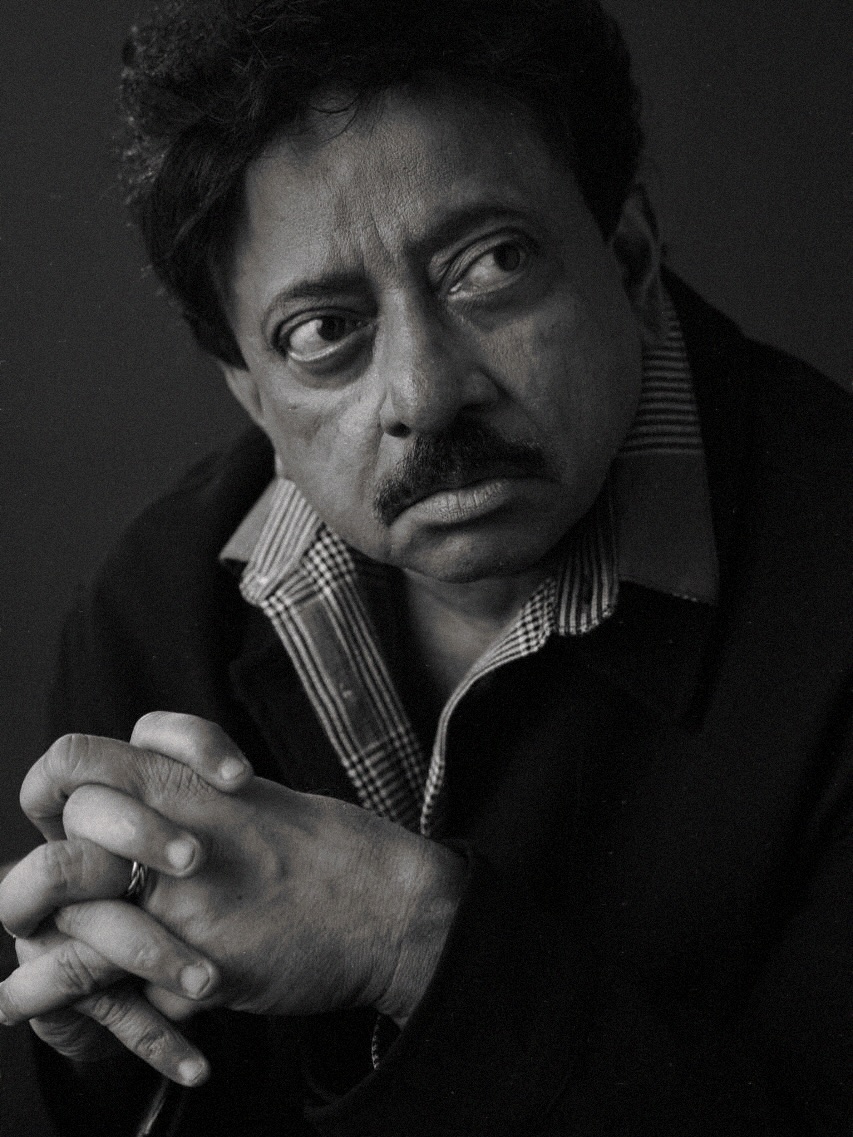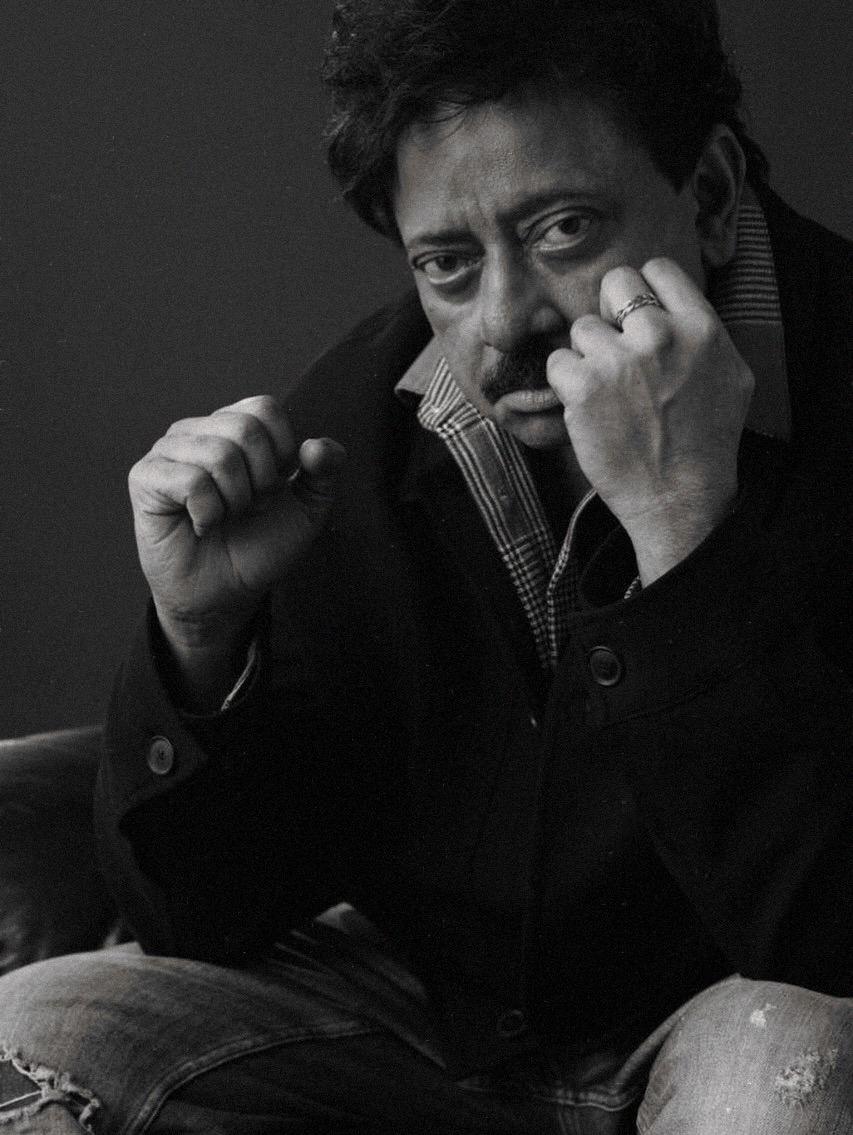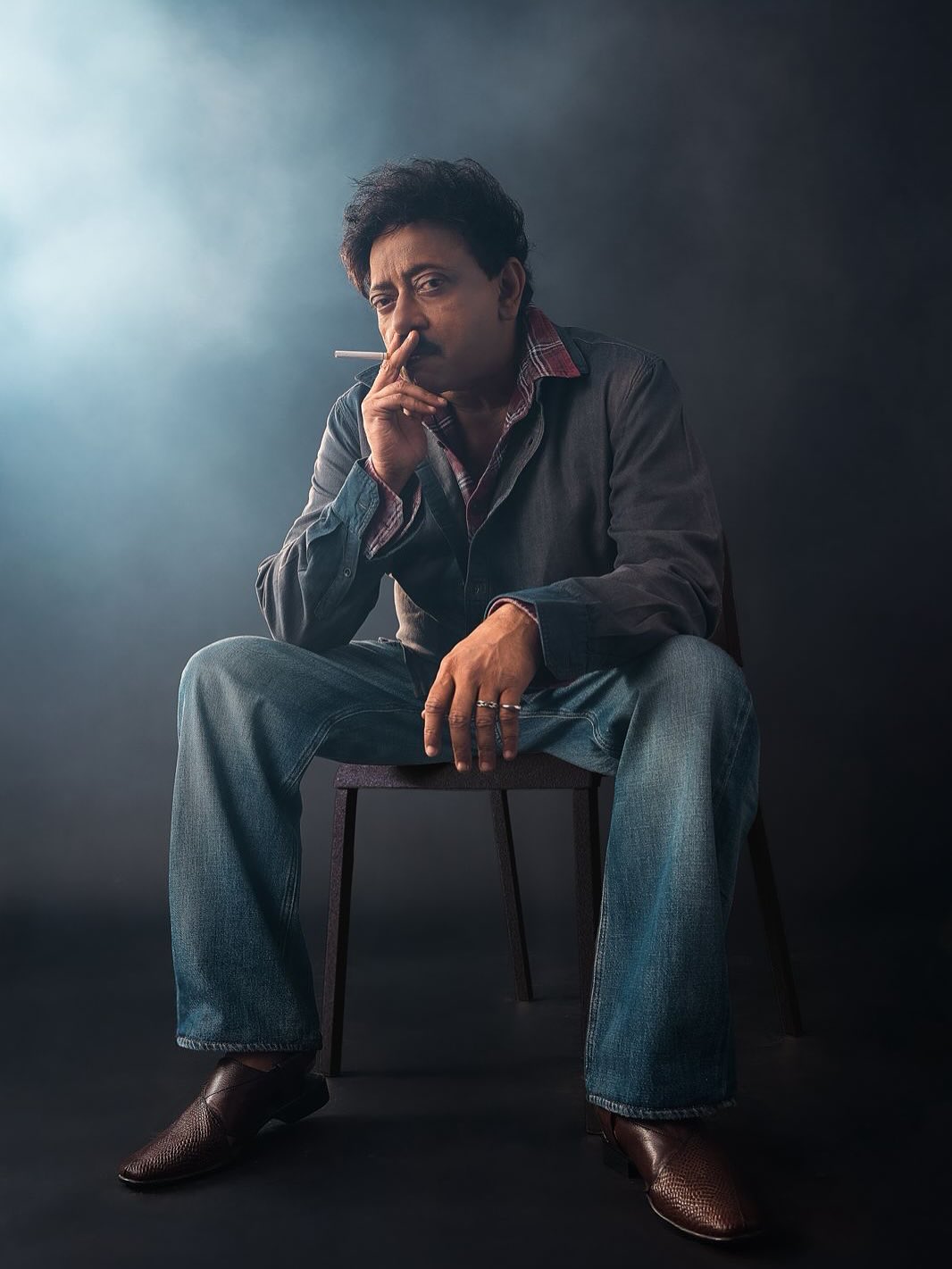
Born April 7, 1962 · Vijayawada · India
The Man Who Gave Indian Cinema Its Dark Soul
07 · 04 · 1962 · VIJAYAWADA, ANDHRA PRADESH
He was supposed to be a civil engineer. He became the man who rewired Indian cinema's nervous system. Born in Vijayawada to a sound recordist father, young Ramu skipped engineering classes to devour films — sometimes watching the same scene dozens of times, reverse-engineering the language of cinema.
At 27, with zero formal film training, he convinced a Telugu star to act in his debut. The result — Siva (1989) — didn't just succeed. It introduced the steadicam to Indian cinema and permanently altered the visual grammar of Bollywood action.
British director Danny Boyle cited RGV's Satya and Company as direct influences on Slumdog Millionaire. Film critic Rajeev Masand called his gangster trilogy "the most influential movies of Indian cinema." His retrospective screened at Cannes, TIFF, and the New York Asian Film Festival.
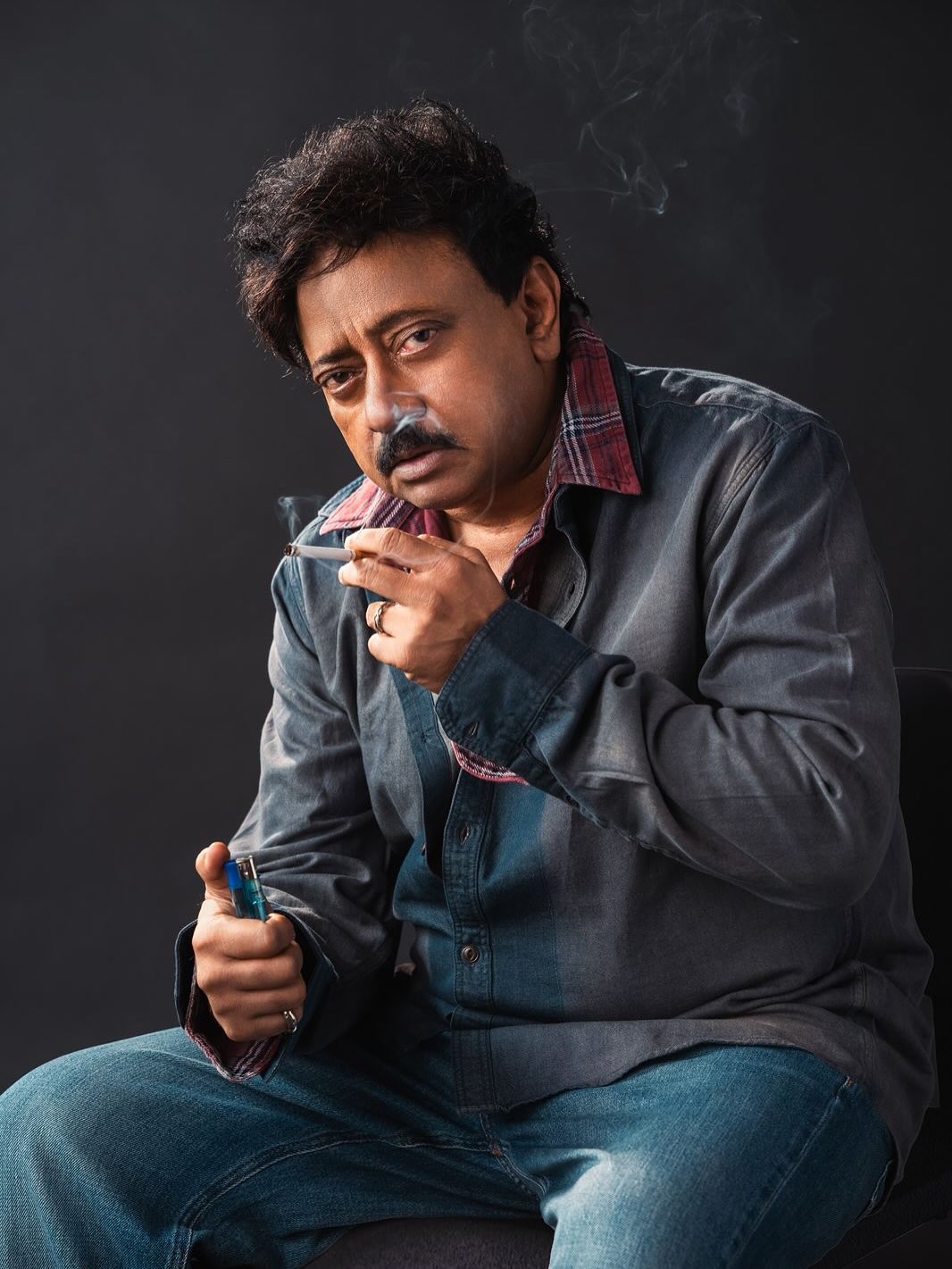
The Auteur
In the Dark
The Mind
The Obsession
I am a criminal at heart. I just don't have the guts to be one. That's why I make films — it's the only legal way to live dangerously.
— RGV on his obsession with the underworld
Anything that goes against the flow is what creates drama — and that's what's required for films.
— On anti-establishment thinking
I study emotions like a biologist studies various species. I understand them more than anyone else.
— On his craft
Since everyone has a mouth, everyone will have an opinion. What matters is who has a camera.
— On critics and opinions
I don't work with anyone out of charity. I use people as long as they are useful to me.
— His brutal honesty
What really fascinates me about The Godfather is that it's more about power than about crime. Any powerful family could be that story.
— On his greatest inspiration
"The Godfather is not a crime film. Sarkar is not a political film.
They are both films about power, obsession, and consequence."
1998
An innocent man falls into Mumbai's merciless underworld. India's most important crime film. Danny Boyle's direct inspiration for Slumdog Millionaire.
2002
The rise and fall of D-Company. Power, betrayal, and ice-cold loyalty in Mumbai's criminal empire.
2005
India's Godfather. Amitabh Bachchan as the patriarch who runs a parallel government. Screened at the New York Asian Film Festival.
1989
The film that started it all. RGV's debut introduced the steadicam to Indian cinema and redefined the action genre forever.
1999
A woman, a rainy night, and a stranger at the door. Urmila Matondkar's finest performance in RGV's tightest, most terrifying thriller.
1995
RGV's surprise pivot — the film that introduced A.R. Rahman to Hindi cinema and won 7 Filmfare Awards. Aamir Khan's career-defining role.
2010
Two-part raw, unflinching saga of Rayalaseema's factional violence. RGV's most audacious political-crime epic.
Novelist & Philosopher
RGV's greatest literary obsession. His dream project remains The Fountainhead. Rand's philosophy of radical individualism — doing exactly what you believe, damn the world's opinion — is the engine of every RGV character.
Philosopher
The will to power. The death of conventional morality. Nietzsche's philosophy echoes through every RGV protagonist — men who create their own moral universe and live (and die) by it.
Coppola's 1972 Masterpiece
"It is not about crime. It is about power." RGV has said The Godfather is the template for every film he ever made about power — Satya, Sarkar, Company. Every patriarch in his films owes something to Vito Corleone.
The One True Superstar
"He is the only actor in Indian cinema who can hold the camera without saying a word." RGV's reverence for Big B shaped Sarkar — he wanted to put India's greatest star inside his darkest world.
Crime Fiction Author
Chase's pulpy, noir American crime fiction was RGV's boyhood obsession. The plotting, the moral ambiguity, the ordinary people drawn into violence — all Chase hallmarks that became RGV DNA.
Satirical Influence
The wildcard. RGV lists MAD Magazine alongside Nietzsche as a core influence. The irreverence, the anti-establishment mockery, the willingness to laugh at everything — all RGV.
1989
Debut film. Introduced the steadicam to Indian cinema. Redefined the action genre at age 27, with zero film training.
1995
Introduced A.R. Rahman to Hindi cinema. 7 Filmfare Awards. Everyone expected another crime film — he gave them joy.
1998
Redefined Indian crime cinema permanently. 6 Filmfare Awards. Cited by Danny Boyle. Launched Manoj Bajpayee and Anurag Kashyap.
1999
Kaun became a masterclass in psychological tension. Shool won the National Film Award for Best Screenplay.
2002
The Dawood Ibrahim story, fictional but unflinching. Premiered at Austin Film Festival. Called "most influential" of its decade.
2005
Archived at the Academy of Motion Pictures library. Screened at the New York Asian Film Festival. Bachchan at his darkest finest.
2010
A full retrospective titled "Mumbai Noir" staged at Fribourg International Film Festival. Acknowledged as a global auteur.